Did you know it's Hunger Action Month?
I bet you are know fervently saying to yourself "Oh boy! What can I do to tell out my neighbors who are going without sufficient food at this time?"
I'm so glad you inquired! Hop on over to the Central Ohio blog, where you can read about five different things to do. I cannot post, and will not suggest, the last one on the list. If you are not an AmeriCorps*VISTA, feel free to take action on #5 if you so desire.
http://obbservationsco.blogspot.com/2010/09/5-ways-to-get-involved-hunger-action.html
Showing posts with label hunger. Show all posts
Monday, September 20, 2010
Hunger Action Month
Labels:
central ohio,
hunger,
hunger action month
Friday, August 13, 2010
Peanuts and Obesity
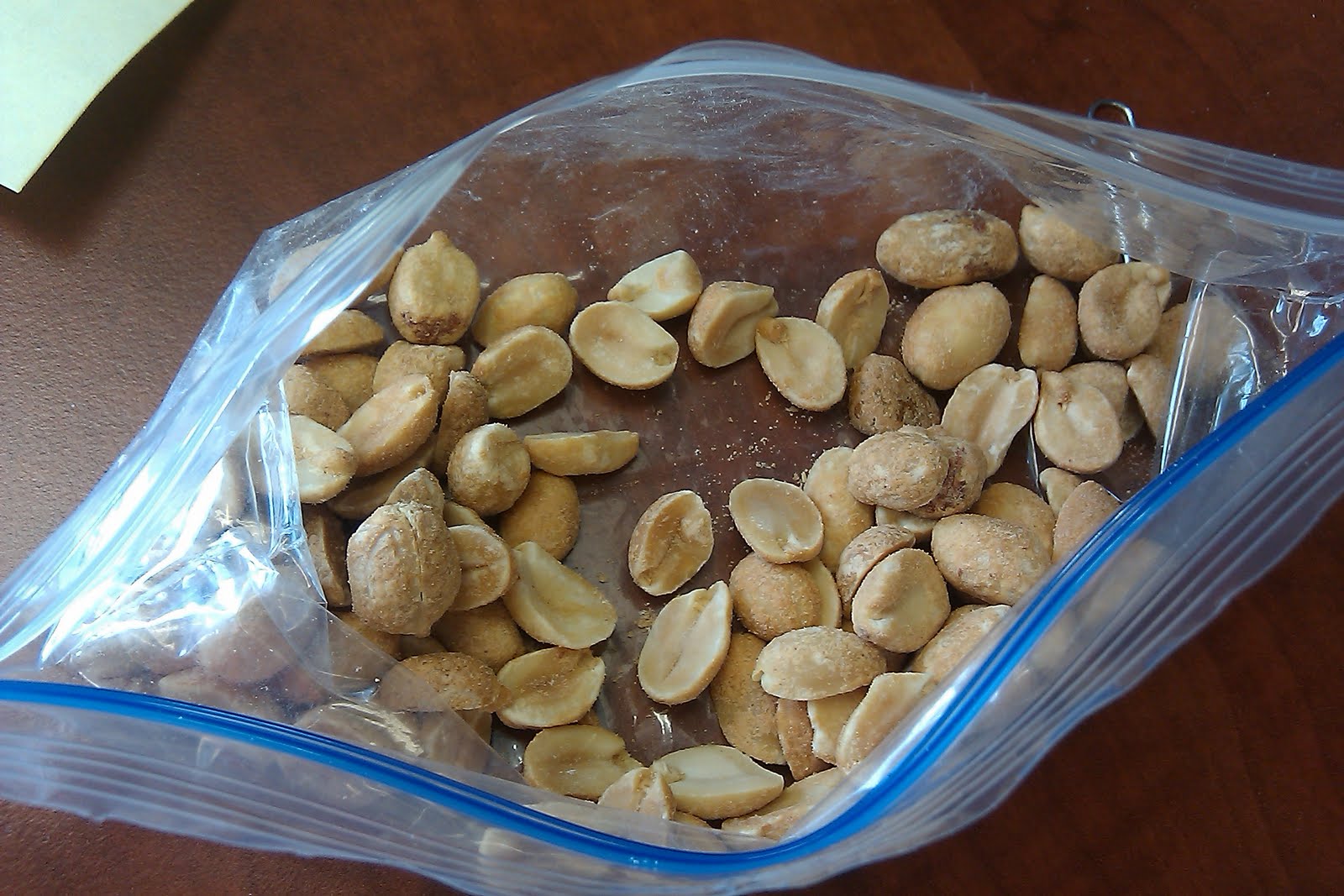
Not only am I earning peanuts (read: low wages) at my job, I am eating them too.
Lunch on my first day of the Foodstamp Challenge:
My lunch with a friend at Subway was canceled, so I stuck with my peanut stash for sustanance. And when I say stash, I truly mean that I keep baggies of peanuts and wheat thins in my desk drawer for my snacks. I feel like one of the older ladies from church when I was growing up, they always had a drawer in their house with some hidden stash of goodies.
So now my snacks have become my meals, which I think is also a relevant concept for those trying to buy food cheaply. Some people may see a disconnect between obesity and hunger, but I believe (and bet you can find many more reports on) they are linked. Compare the price of a gallon of milk and a liter of soda. If you were strapped for cash and had thirsty children, what would you do? Some people would consider pop, junk food and fast food special treats, but to others it becomes a regular diet.
With this challenge, we are limited to one dollar per meal. Where would you go to get a meal for one dollar?
How many of you thought of the McDonald's Dollar Menu as your solution? When I worked at the Boys and Girls Club in Hamilton, parents (strapped for cash and time) would send their children with McDonald's takeout for lunch. While I grew up with my mother packing chipchop ham sandwiches, carrots, a Little Debbie snack, and a thermos of chocolate milk, some kids' bodies have to deal with processing McDonalds, pop, and other foods that can be very filling but very unhealthy. Hence hunger + no money = obesity. Kind of strange, but it looks like the reality of the situation.
I am making the decision to truncate this train of thought on hunger. It's cruel to record and analyze food in society when I am hungry.
Labels:
food,
food challenge,
food insecurity,
food stamps,
hunger,
obesity
Tuesday, July 27, 2010
Family First
If you watched the Dateline special on poverty in SE Ohio, you would have met a woman named Sunny. First of all, I think it would be a lot of pressure to be named after a disposition. For this woman, her outlook on life and the finer things, like self actualization that could produce that "sunny disposition," take a back burner to other issues. Like food. And shelter.
Sunny, during most of the 9 months Ann Curry followed the community, lived in a house with 14 other people. She moved in with her husband and children to her parents home because her father become ill. She quit her job to do this.
Honestly, my first thoughts upon watching this included words like "irresponsible" and "crazy." Now, I love my parents dearly (Hi Mom and Dad!) but I don't think they would even approve of me quitting a job to move in and care for them. I think we would try to work something out, leaning on a wider network of friends, family, neighbors, church, etc to care for the sick person.
That's how I was raised. Now, we're not a "live to work" family, where we value work above family or self. I would even say we are the opposite, where we align with the "work to live" mindset, working only to make sure we can pay for things, to sustain the family responsibly, to plan for the future.
What happens, though, if I hadn't grown up in my particular family? What happens if I was never taught to save, to plan for the future, to make "smart" decisions in light of my economic and social situation? What happens if my culture values family, and the care of elders, above anything else?
I've seen it happen before on mission trips to Appalachia. There was a group of families living in what I can only describe as a "holler," surrounded by shells of rusted out cars and crowded with chickens, beagles, and numerous family members. Two of the men in the family were out of work, and couldn't keep a job when they got one, because they consistently put their family first. When their mother was sick, they took care of her and working took a back seat.
I'm not making excuses for people, there are many decisions and turns to take in life. But I do think it is very, very important for people who would lay judgment on those who act (in their eyes) irresponsibly to consider differing cultures and varied orders of priorities in the people they may see on television.
People get in tough situations, but instead of judging and griping, we need to continue work to build sustainable lifestyles and communities, educating on self-sufficiency. If we turn our backs and shun people who are different, people who we think are "less" because they act differently than we expect them to, the problem of poverty can not and will not just go away. As Zach preaches, we have to be proactive (in building lives), not reactive (to individual situations.)
Sunny, during most of the 9 months Ann Curry followed the community, lived in a house with 14 other people. She moved in with her husband and children to her parents home because her father become ill. She quit her job to do this.
Honestly, my first thoughts upon watching this included words like "irresponsible" and "crazy." Now, I love my parents dearly (Hi Mom and Dad!) but I don't think they would even approve of me quitting a job to move in and care for them. I think we would try to work something out, leaning on a wider network of friends, family, neighbors, church, etc to care for the sick person.
That's how I was raised. Now, we're not a "live to work" family, where we value work above family or self. I would even say we are the opposite, where we align with the "work to live" mindset, working only to make sure we can pay for things, to sustain the family responsibly, to plan for the future.
What happens, though, if I hadn't grown up in my particular family? What happens if I was never taught to save, to plan for the future, to make "smart" decisions in light of my economic and social situation? What happens if my culture values family, and the care of elders, above anything else?
I've seen it happen before on mission trips to Appalachia. There was a group of families living in what I can only describe as a "holler," surrounded by shells of rusted out cars and crowded with chickens, beagles, and numerous family members. Two of the men in the family were out of work, and couldn't keep a job when they got one, because they consistently put their family first. When their mother was sick, they took care of her and working took a back seat.
I'm not making excuses for people, there are many decisions and turns to take in life. But I do think it is very, very important for people who would lay judgment on those who act (in their eyes) irresponsibly to consider differing cultures and varied orders of priorities in the people they may see on television.
People get in tough situations, but instead of judging and griping, we need to continue work to build sustainable lifestyles and communities, educating on self-sufficiency. If we turn our backs and shun people who are different, people who we think are "less" because they act differently than we expect them to, the problem of poverty can not and will not just go away. As Zach preaches, we have to be proactive (in building lives), not reactive (to individual situations.)
Labels:
apppalachia,
culture,
families,
hunger,
job,
poverty,
unemployment,
values
Subscribe to:
Posts (Atom)